Charting Monetary Routes to Elite Status in Portable Bingo Chambers and Automated Reel Games
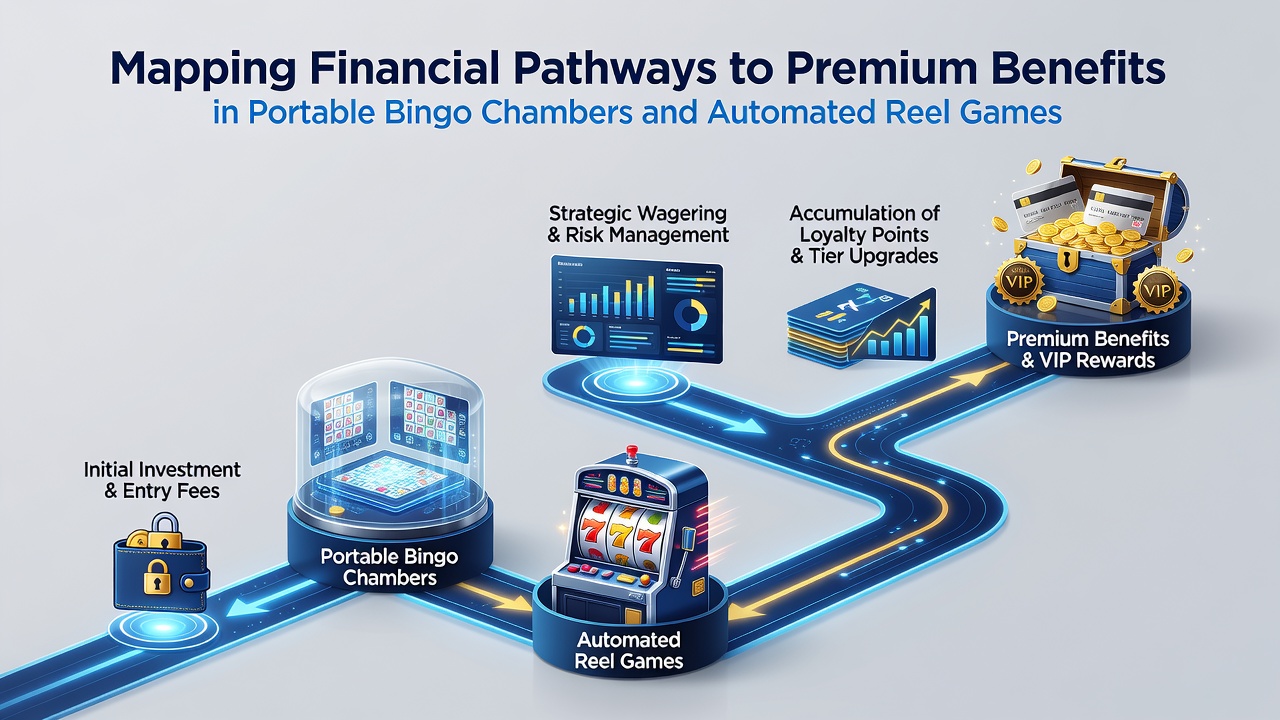
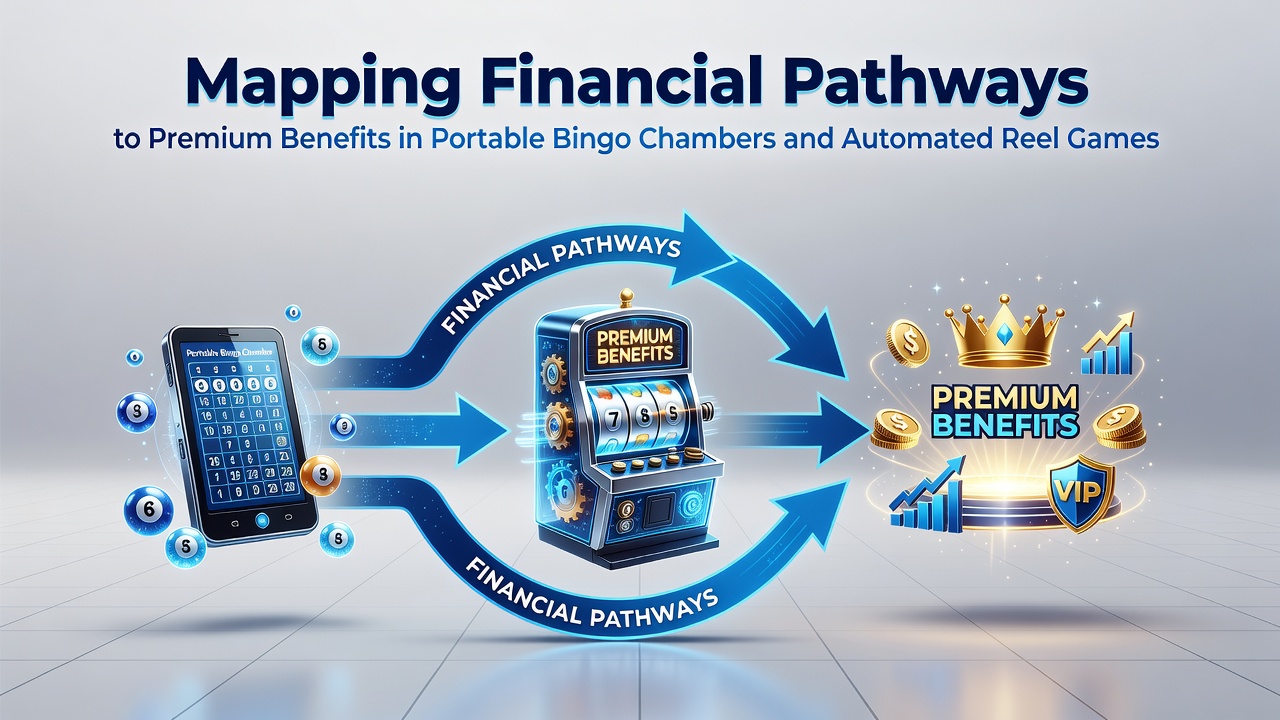
Financial pathways in portable bingo chambers and automated reel games have evolved through structured spending patterns that connect player deposits to tiered reward systems. Observers note these mechanisms operate across mobile platforms where cumulative activity unlocks access to premium features such as exclusive game modes and enhanced payout structures. Data from industry reports shows that operators design these routes to encourage sustained engagement while maintaining regulatory compliance across multiple jurisdictions.
Core Components of Financial Tracking Systems
Portable bingo chambers integrate tracking software that records every transaction in real time while automated reel games employ similar algorithms to monitor play volume and frequency. These systems calculate eligibility for benefits based on total wagers and session duration rather than isolated wins. Research indicates that players who maintain consistent deposit levels over several months reach higher tiers faster than those making sporadic large contributions. The structure resembles loyalty frameworks used in other entertainment sectors where points accumulate toward status elevation.
Operators in regions like Australia have implemented similar models that tie spending directly to benefit access. Figures from the Australian Communications and Media Authority reveal steady growth in mobile gaming participation with corresponding increases in reward program enrollment. Such data helps illustrate how financial inputs translate into tangible advantages within these environments.
Progression Mechanisms and Tier Structures
Tier advancement typically follows a ladder format where initial levels require modest activity while premium stages demand substantial cumulative spending. Automated reel games often accelerate this process through multiplier bonuses that apply to tracked wagers during promotional windows. Portable bingo chambers meanwhile emphasize group play metrics that convert collective contributions into individual reward credits. Those who've studied player behavior patterns report that mid-tier players frequently experience the most noticeable shifts in available features once they cross specific thresholds.
June 2026 marks the scheduled rollout of updated tracking standards in select Canadian provinces where portable gaming units must display real-time progress toward next-tier benefits. Provincial regulators have coordinated these requirements to ensure transparency in how financial activity converts to status. The changes align with broader efforts to standardize reward visibility across automated reel platforms operating in those markets.
Regional Regulatory Influences on Reward Access
European gaming authorities in Malta have published guidelines that require clear disclosure of financial requirements for premium benefit eligibility in both bingo and reel formats. These rules emerged after industry consultations highlighted the need for consistent communication of spending thresholds. Players in those markets receive detailed breakdowns showing exactly how much additional activity separates them from the next reward level.
Meanwhile Nevada's gaming oversight bodies have examined how portable systems integrate with automated reel mechanics to prevent disproportionate benefit distribution. Reports from the Nevada Gaming Control Board document testing protocols that verify fair mapping of wagers to status points. Such oversight ensures that financial pathways remain predictable and accessible rather than opaque.
Technology Integration Supporting Benefit Pathways
Modern portable bingo chambers utilize cloud-based ledgers that sync across devices allowing continuous tracking regardless of location. Automated reel games incorporate similar synchronization features that preserve progress data during platform transitions. This technical foundation enables operators to deliver seamless benefit activation once spending milestones are verified. Observers have documented cases where players moved between multiple jurisdictions yet retained accumulated status due to interoperable tracking systems.
Integration with payment processors further streamlines the pathway by automatically categorizing deposits according to their contribution toward tier requirements. Industry associations in Asia-Pacific markets have noted rising adoption of these integrated solutions as operators seek to reduce friction between spending and reward access.
Conclusion
Financial pathways in portable bingo chambers and automated reel games function through interconnected tracking and tier systems that convert player activity into premium access. Regional regulatory frameworks from Australia, Canada, Malta, and Nevada continue shaping how these routes operate with emphasis on transparency and consistency. As technology advances through 2026 and beyond, the mapping of spending to benefits will likely incorporate additional verification layers while preserving the core structure that links financial engagement to elevated status.