Connecting Initial Bonuses to Long-Term Engagement Trends in Mobile Bingo and Slot Offerings
Entry incentives such as welcome bonuses, matched deposits, and free spin packages have become central mechanisms in mobile bingo and slot platforms, shaping how users transition from first-time access to repeated sessions. Data compiled across multiple markets show that these offers correlate with measurable shifts in session frequency and duration, particularly when platforms integrate them directly into payment flows and loyalty tracking systems. Observers note that the structure of an incentive, whether it requires a minimum deposit or ties rewards to specific game types, often determines whether initial activity extends into consistent patterns over weeks or months.
Defining Entry Incentives in Mobile Contexts
Platforms typically structure entry incentives around the moment a new account activates, offering combinations of bonus funds, free bingo tickets, or slot credits that activate upon the first deposit. These rewards differ from ongoing promotions because they focus on lowering the barrier to initial play, yet their design frequently includes wagering requirements that encourage continued participation to unlock full value. Studies from industry analysts indicate that mobile formats amplify this effect, since push notifications and app-based wallets allow immediate redemption and seamless movement between bingo rooms and slot titles.
Regional data reveal variations in incentive types, with European operators favoring deposit-match structures while North American platforms lean toward no-deposit trial credits. As of June 2026, reports from the European Gaming and Betting Association highlight that mobile bingo and slot hybrids have increased the proportion of rewards linked to cross-game activity, directing players from slots into bingo rooms through tiered bonus ladders.
Participation Patterns Linked to Incentive Design
Retention metrics collected by platform operators demonstrate that users who claim entry incentives within the first 24 hours after registration exhibit higher rates of return visits during the subsequent 30 days. The correlation strengthens when incentives include progressive elements, such as additional rewards unlocked after a set number of spins or bingo cards played. Researchers tracking user cohorts have found that simple flat bonuses produce shorter engagement windows compared with those that scale with activity, suggesting the incentive architecture itself influences how long players remain active.
Payment integration plays a measurable role here, since mobile deposit methods that trigger instant bonus credit reduce friction and keep the user within the app environment. Figures from multiple platform audits show that seamless flows from deposit to game selection correspond with elevated session counts, whereas delays in bonus activation coincide with higher rates of early drop-off.
Regional Trends and 2026 Market Observations
Market analyses conducted through mid-2026 indicate that Latin American and Asia-Pacific operators have adopted incentive models that tie entry rewards more explicitly to sustained play thresholds. These models often require users to complete a sequence of activities across both bingo and slot sections before full bonus release, a structure that extends average lifetime participation compared with immediate-grant systems. Canadian regulatory filings similarly document that platforms incorporating loyalty point accrual from the first incentive claim see steadier month-over-month user retention.
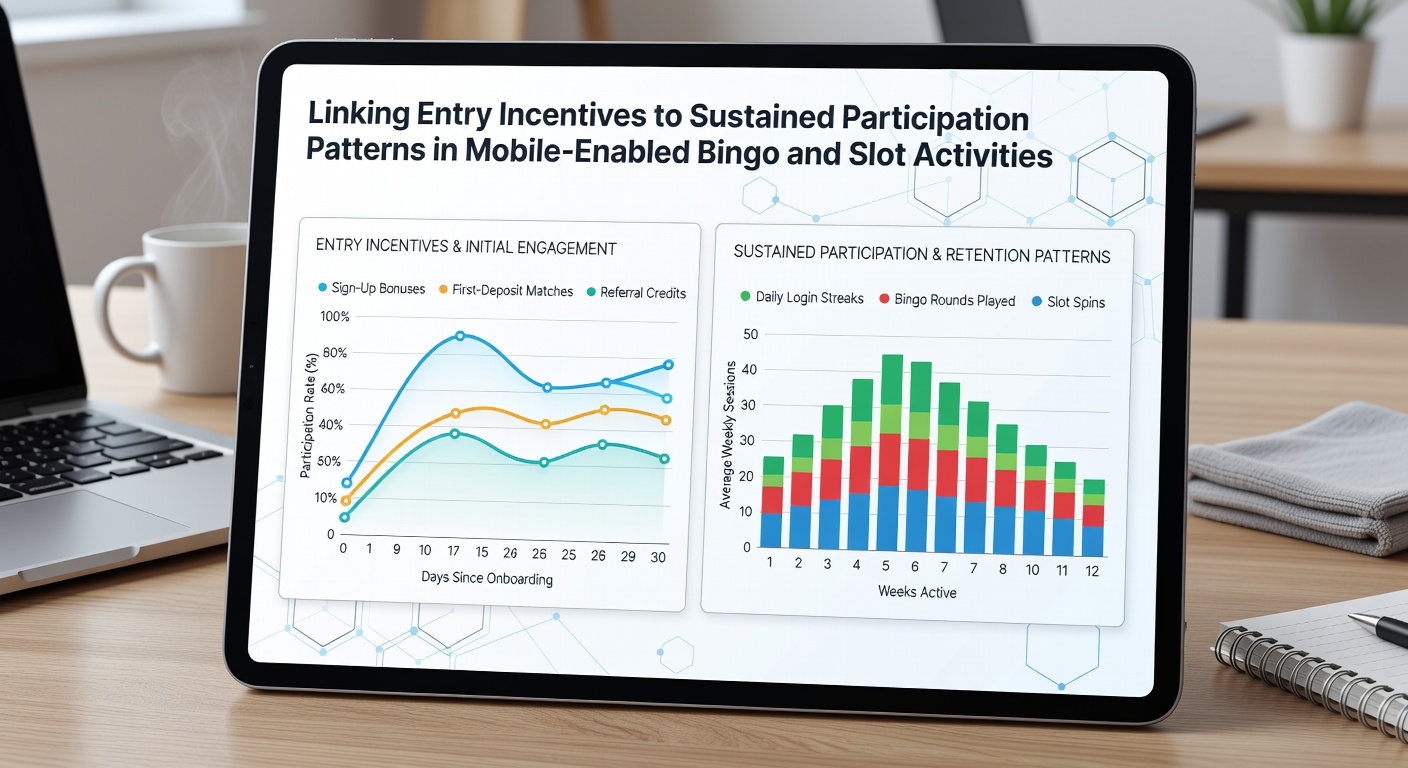
One study released by the University of Nevada's International Gaming Institute examined mobile user logs from hybrid bingo-slot environments and identified that deposit-triggered incentives produced the strongest link between first-week activity and continued engagement at the 90-day mark. The findings emphasize that incentive value alone does not predict retention; rather, the alignment between reward timing and game variety determines whether users establish recurring patterns.
Measurement Approaches and Data Sources
Operators and independent researchers employ cohort tracking and funnel analysis to quantify how entry incentives translate into sustained participation. These methods map the path from account creation through repeated deposits and session lengths, revealing points where users either maintain activity or disengage. According to reports published by the Canadian Gaming Association, platforms that publish transparent incentive terms and pair them with clear progress indicators tend to record more predictable retention curves across demographic segments.
Additional data layers come from payment processor aggregates that correlate deposit timing with subsequent play volume. Such datasets allow analysts to isolate the effect of incentive-linked deposits from organic activity, providing clearer signals about which reward structures support longer-term patterns in mobile bingo and slot environments.
Conclusion
Evidence gathered through 2026 continues to show that entry incentives function as gateways whose design elements directly influence the length and consistency of user participation in mobile bingo and slot activities. When operators align bonus structures with mobile payment systems and progressive activity requirements, the resulting patterns reflect higher rates of sustained engagement across multiple markets. Ongoing monitoring of these connections remains essential as platforms refine their approaches in response to regulatory shifts and user behavior data.