Digital Bingo's Worldwide Journey and Emerging Trends
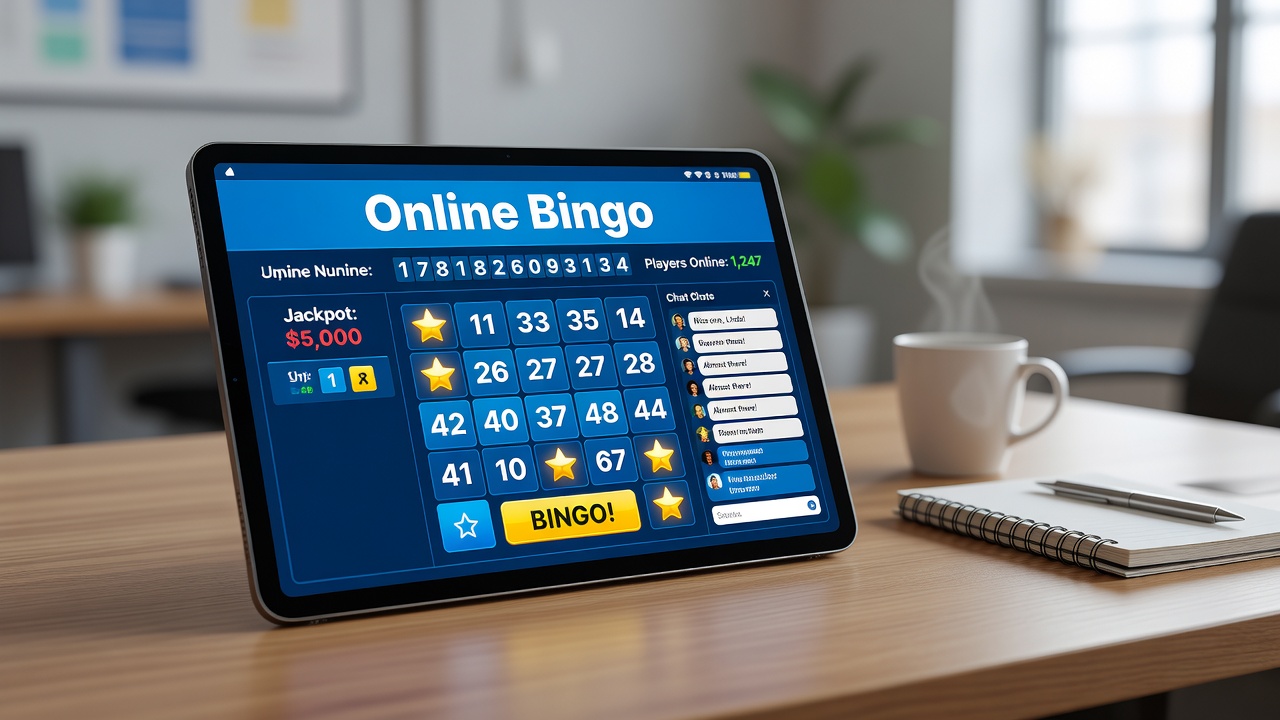
Online bingo has grown from simple browser-based games into sophisticated platforms that connect players across continents, and data from regulatory bodies shows steady increases in participation since the early 2000s. Platforms now incorporate live streaming, chat features, and themed rooms while adhering to licensing requirements in multiple jurisdictions, which creates structured environments for gameplay and financial transactions.
Technological Foundations Driving Participation
Software providers develop random number generators that meet certification standards set by independent testing labs, and these systems ensure each draw maintains statistical fairness across thousands of concurrent sessions. Mobile applications account for a growing share of activity according to figures from the Alcohol and Gaming Commission of Ontario, because users access games through dedicated apps that support both portrait and landscape orientations on smartphones and tablets.
Integration with payment processors allows deposits and withdrawals through methods that vary by region, while operators implement age verification protocols required under local statutes. Research from the University of Nevada Reno indicates that secure socket layer encryption and two-factor authentication have become standard features on licensed sites, reducing instances of unauthorized access over the past decade.
Regulatory Landscapes Across Regions
European markets operate under frameworks established by the Malta Gaming Authority, which issues licenses after reviewing operator compliance with financial reporting and player protection measures. Australian operators follow guidelines from the Australian Communications and Media Authority that emphasize responsible advertising and limits on promotional content during certain hours.
In North America, state-by-state approvals in the United States create a patchwork where some jurisdictions permit online variants while others maintain restrictions, and Canadian provinces such as Ontario have introduced regulated marketplaces that require all platforms to display clear terms for bonus structures. These diverse rules influence how game variants appear to users, including 75-ball, 90-ball, and speed formats that adapt to local preferences.

Player Demographics and Session Patterns
Surveys conducted by the Gambling Research Exchange Ontario reveal that participants span age groups from 25 to 65, with many sessions occurring during evening hours in their respective time zones. Community features such as shared jackpot pools and team challenges appear more frequently on platforms targeting social interaction, while solo modes remain available for those preferring independent play.
Operators track retention through metrics that include average session length and repeat visits, and reports from industry associations show that seasonal promotions tied to holidays often coincide with measurable upticks in new registrations. June 2026 marks the scheduled launch of updated licensing portals in several Canadian provinces, which will streamline application processes for new entrants seeking to offer regulated bingo products.
Future Developments Anticipated by 2026
Virtual reality prototypes have entered testing phases at select development studios, allowing players to navigate three-dimensional bingo halls while maintaining compliance with existing payout verification standards. Blockchain-based ledgers appear in pilot programs for transparent record-keeping of draws and prize distributions, though adoption rates depend on further regulatory review in each market.
Partnerships between software firms and telecommunications companies aim to improve latency in regions with expanding 5G coverage, and these collaborations could support higher volumes of simultaneous players without compromising draw integrity. Observers note that cross-border agreements between licensing authorities may simplify operations for international operators while preserving consumer safeguards established in each jurisdiction.
Conclusion
Online bingo continues to adapt through technological upgrades and regulatory alignment across different countries, creating environments where gameplay remains accessible yet controlled. Figures from multiple oversight bodies demonstrate ongoing evolution in how platforms handle security, payments, and community features, which positions the sector for further expansion by mid-2026 and beyond.