Mapping Reward Distribution in Mobile Chance Games Using Payment Pathways
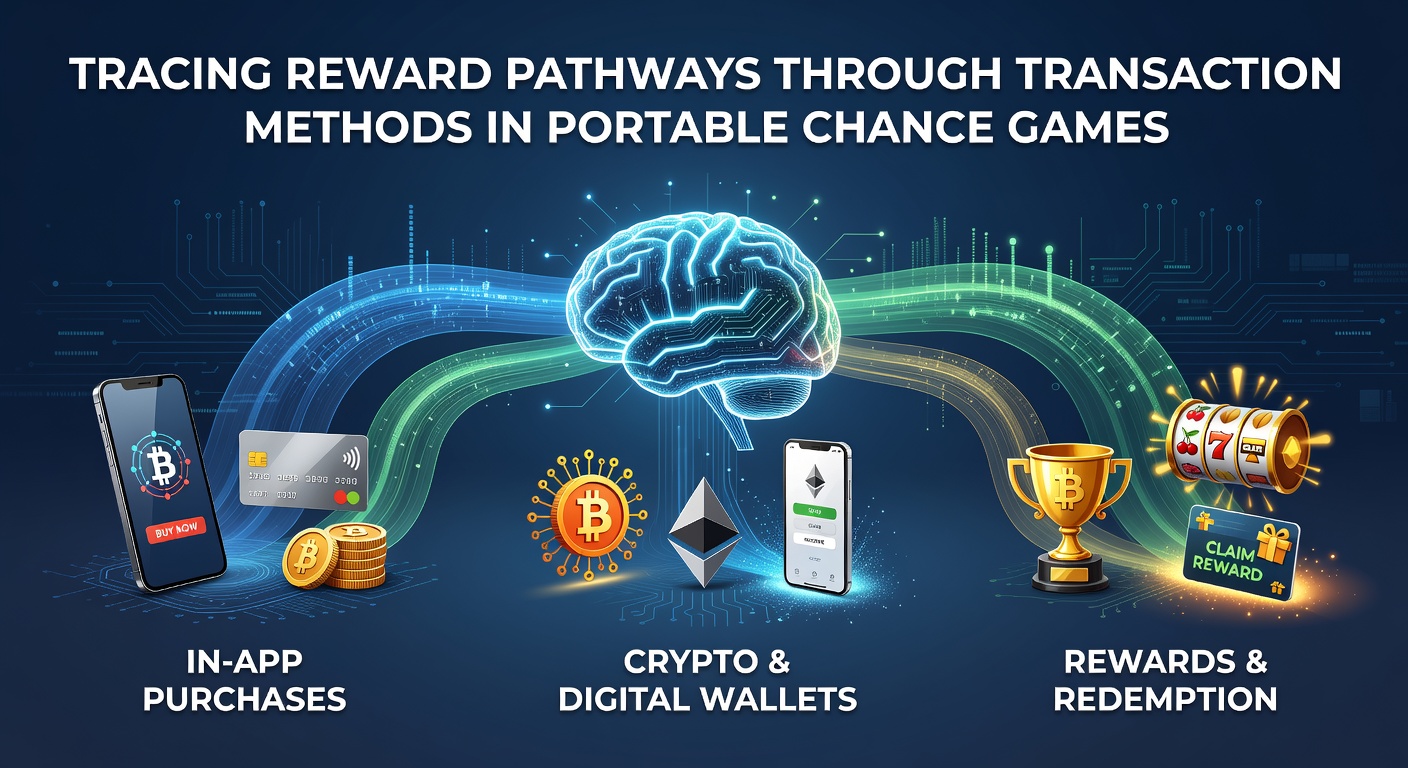
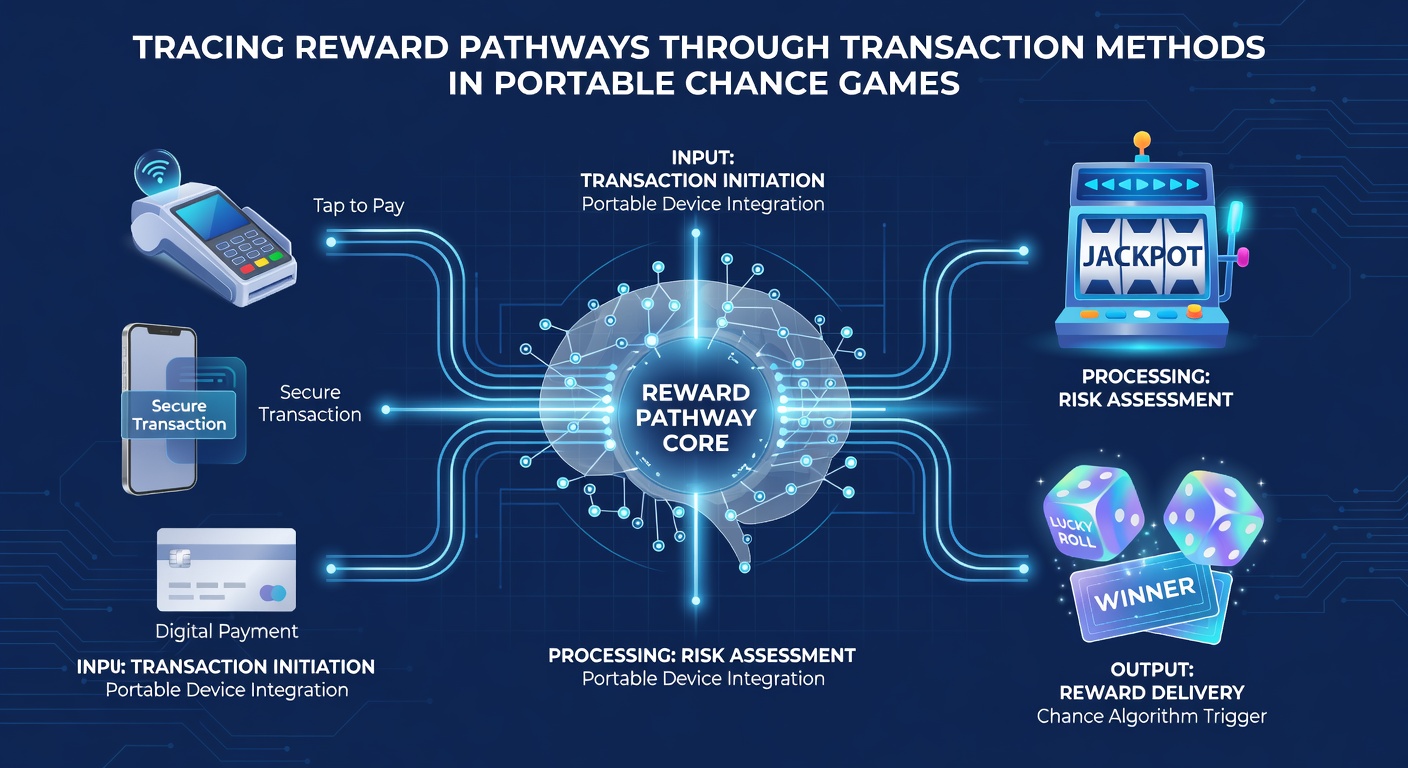
Payment systems in portable chance games create detailed records that connect deposits to player rewards, and these records form pathways that operators and regulators examine for patterns in bonus allocation and status progression. Mobile platforms record each transaction through credit cards, e-wallets, and bank transfers, then link those entries to free play credits, loyalty points, and VIP tier advancements. Data shows that such linkages allow platforms to automate reward distribution based on deposit frequency and volume.
Transaction Recording Mechanisms in Portable Platforms
Portable chance games rely on real-time transaction logs that capture the source, amount, and timing of every payment, while software layers match those logs against reward triggers set by game operators. E-wallet transactions often carry metadata that distinguishes between standard deposits and promotional funding, and this distinction helps systems route rewards to the correct player accounts without manual intervention. Credit card payments, by contrast, require additional verification steps that sometimes delay reward crediting by several hours or days.
Pathway Analysis Across Payment Types
Researchers have observed that bank transfer users receive fewer immediate free play offers compared with e-wallet users, because processing times differ and systems prioritize faster-settling methods for instant bonuses. Studies from the Alcohol and Gaming Commission of Ontario indicate that transaction speed correlates with reward velocity in many Canadian-licensed mobile titles, and similar patterns appear in other jurisdictions. Observers note that platforms adjust reward multipliers according to the payment channel selected, creating distinct pathways that players can follow to maximize returns.
Regulatory Tracking Requirements
Regulators require operators to maintain auditable trails that show how each reward originates from a specific transaction, and these requirements apply equally to mobile bingo and slot environments. The Nevada Gaming Control Board publishes guidelines that mandate clear separation between promotional funds and player deposits, ensuring reward pathways remain transparent during compliance reviews. Data from these reviews reveals that operators who streamline their transaction tagging reduce audit times while maintaining accurate reward histories.
June 2026 Developments in Mobile Reward Systems
Industry reports anticipate that new data standards scheduled for rollout in June 2026 will require additional transaction identifiers in portable chance games, and these identifiers will further refine reward pathway mapping. Operators preparing for the change have already begun testing enhanced tagging systems that distinguish between recurring deposits and one-time promotional loads. Such updates are expected to improve cross-platform reward portability for players who switch between multiple mobile titles.
Case Examples from Different Regions
One operator in Australia implemented transaction-based reward tracking that automatically escalates players to higher tiers after five qualifying deposits within a calendar month, and figures released by the Victorian Commission for Gambling and Liquor Regulation show increased retention rates following the change. In another instance, a North American platform adjusted its e-wallet reward multipliers after analyzing six months of transaction data, resulting in more balanced distribution of free play credits across payment methods. Those who've examined the datasets note that the adjustments reduced clustering of rewards around specific channels.
Future Directions for Pathway Transparency
Academic papers from research institutions continue to examine how granular transaction data influences reward fairness in mobile chance games, and early findings suggest that clearer pathway documentation benefits both players and oversight bodies. Integration of blockchain verification for certain payment types has appeared in pilot programs, allowing immutable records of reward origins without exposing full financial details. The reality is that continued refinement of these systems depends on cooperation between technology providers, game studios, and regulatory agencies across multiple regions.
Conclusion
Transaction methods serve as the backbone for tracing reward pathways in portable chance games, and the connections they create shape how players progress through bonus structures and status levels. Continued regulatory updates and technological improvements will likely enhance the precision of these mappings while maintaining compliance across jurisdictions.