Payment Method Variations Driving Advancement in Bingo and Slot Reward Structures
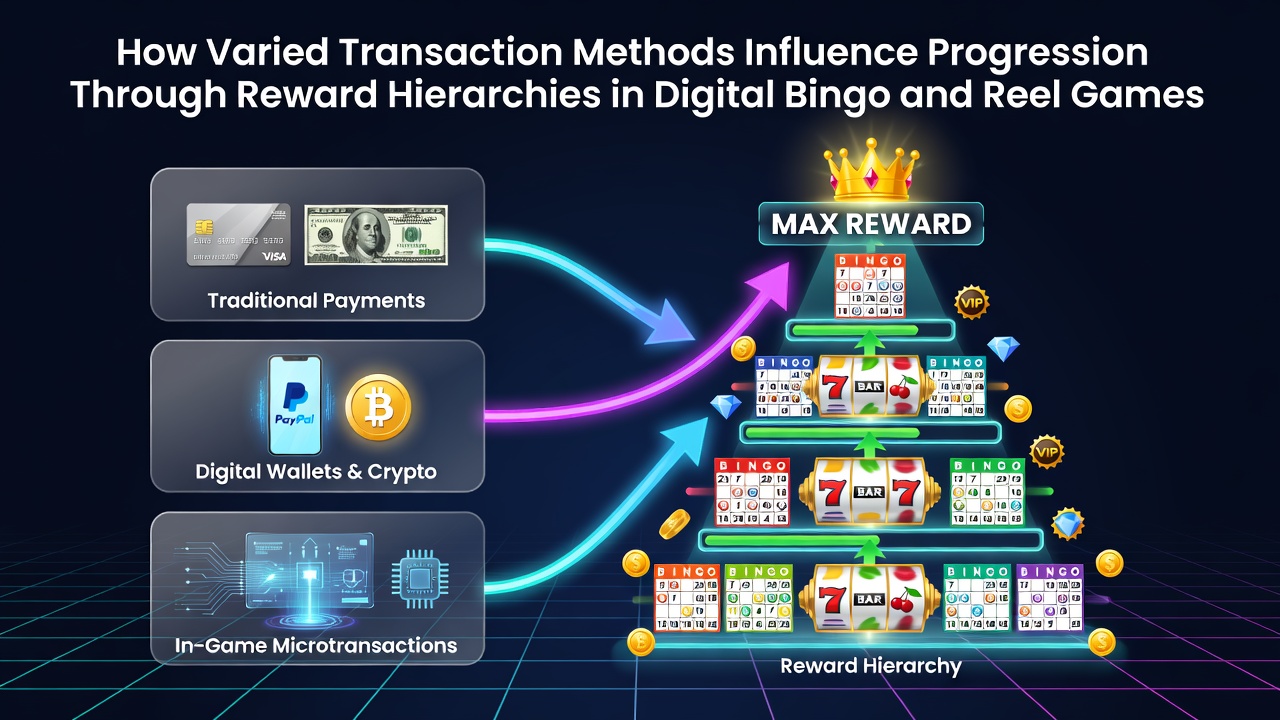
Transaction methods in digital bingo and reel games create measurable differences in how players advance through loyalty programs, and these patterns have become clearer as platforms integrate multiple payment systems. Data from regulatory filings show that deposit speed, transaction fees, and acceptance rates directly affect bonus eligibility and point accumulation rates in tiered reward systems.
Deposit Speed and Tier Qualification Timelines
Instant payment options such as certain e-wallets allow players to qualify for daily reward challenges and streak bonuses without delay, while bank transfers often require 24 to 72 hours for funds to clear. Research from the New Jersey Division of Gaming Enforcement indicates that platforms offering instant deposits record higher volumes of consecutive play sessions, which in turn accelerates accumulation of loyalty points needed for bronze, silver, and gold status upgrades.
Reel game operators have adjusted their algorithms to recognize deposit velocity as a factor when calculating VIP invitation criteria, and bingo rooms apply similar metrics when awarding exclusive room access. Players using faster methods reach the required playthrough thresholds days or weeks ahead of those relying on slower channels, creating visible stratification in reward access.
Transaction Fees and Net Contribution Calculations
Payment processors charge varying fees that reduce the net amount available for wagering, and this reduction influences how quickly players meet the contribution requirements for higher reward tiers. Credit card transactions typically carry processing fees between 2 and 4 percent, whereas certain cryptocurrency options incur network fees that fluctuate with blockchain congestion. Studies compiled by the European Gaming and Betting Association reveal that players who select lower-fee methods retain more of their deposits for actual game play, thereby shortening the time required to satisfy monthly or quarterly activity targets that unlock cashback percentages and personalized promotions.
Some platforms offset these differences by excluding specific payment types from bonus contributions entirely, and this policy further widens gaps between user segments. Observers note that bingo operators tend to apply stricter exclusions on credit-based deposits compared with reel game sites, reflecting differing risk profiles between the two formats.
Cryptocurrency Adoption and Cross-Border Reward Access
Digital currencies have expanded participation from regions where traditional banking channels face restrictions, and this expansion has altered the demographic makeup of top-tier reward recipients. Platforms that accept stablecoins and major cryptocurrencies report increased international player bases, with many of these users progressing through loyalty hierarchies at rates that outpace domestic participants who rely on local payment rails. The added anonymity and reduced intermediary costs associated with these methods allow for larger single deposits that trigger instant tier evaluation reviews.
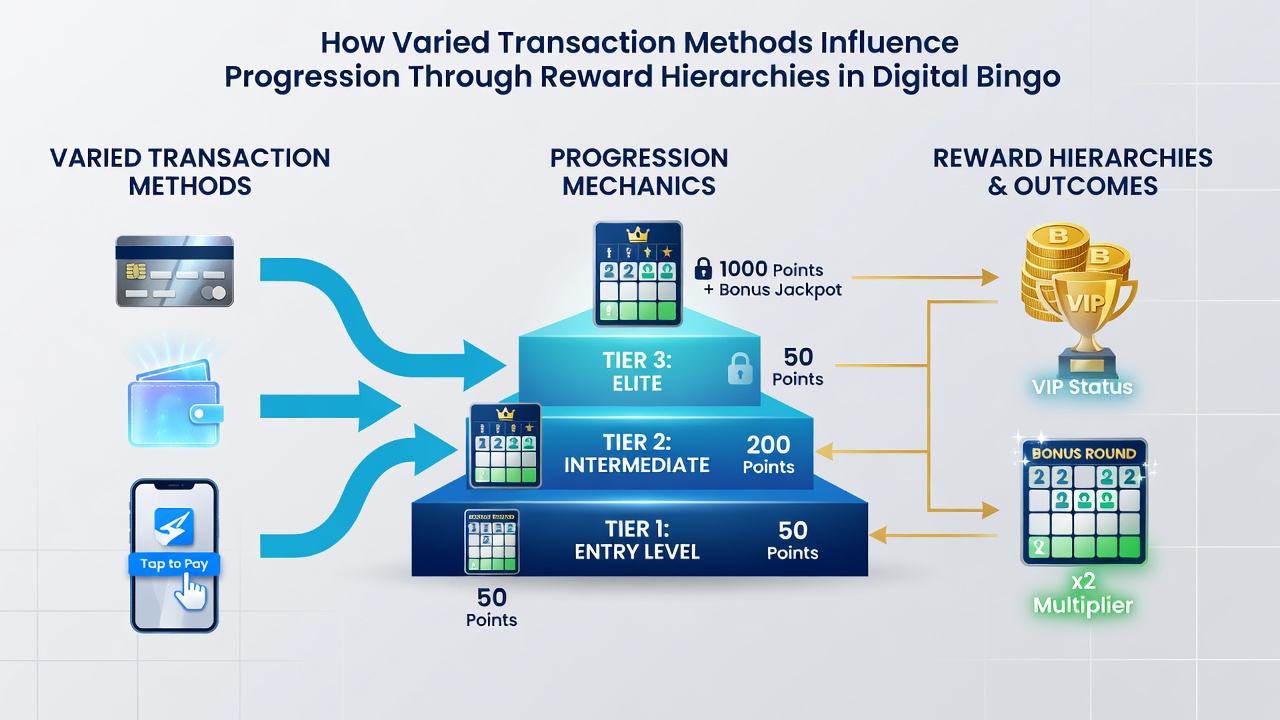
Regulatory frameworks scheduled for review in June 2026 are expected to clarify tax reporting requirements for crypto-based gaming transactions, and operators are already adjusting their reward tracking systems in anticipation of standardized disclosure rules. This preparation has led several major sites to introduce dedicated crypto loyalty tracks that award additional multipliers on points earned through cryptocurrency deposits.
Payment Verification and Bonus Unlocking Requirements
Verification procedures tied to specific payment methods create additional steps that delay bonus activation for some users. Bank account linkages often require document uploads and manual review periods, whereas prepaid voucher systems and certain mobile payment apps complete verification during the initial transaction. Those who've examined platform terms across multiple operators find that bingo sites impose more frequent verification checkpoints at each tier threshold, while reel game programs tend to front-load verification at account creation and then rely on automated monitoring thereafter.
This procedural variation means that a player using verified e-wallet accounts can maintain uninterrupted progress toward seasonal reward leaderboards, whereas users completing verification mid-campaign may miss qualification windows for limited-time promotions. Industry reports document measurable differences in completion rates for tier advancement challenges based on the payment method selected at the start of each promotional period.
Regional Payment Preferences and Platform Adaptations
Geographic differences in preferred transaction methods have prompted bingo and reel game operators to customize their reward structures accordingly. Markets with high adoption of mobile carrier billing show elevated participation in micro-deposit promotions that feed into daily reward ladders, while regions favoring direct bank transfers see stronger engagement with weekly accumulation bonuses. These adaptations appear in the weighting systems that determine how much each deposit type contributes toward tier points, ensuring that dominant local methods receive competitive recognition.
Platform analytics indicate that hybrid users who switch between multiple payment methods strategically often optimize their progression speed by aligning each deposit with the current promotional weighting structure. Such behavior has led some operators to publish transparent contribution tables that list exact point values per payment category, reducing information asymmetry between different user groups.
Conclusion
The relationship between transaction methods and reward hierarchy progression rests on measurable factors including processing speed, fee structures, verification requirements, and regional availability. Regulatory developments projected for mid-2026 will likely standardize certain reporting practices around cryptocurrency usage, which may further influence how operators weight these methods within their loyalty frameworks. Current data patterns show consistent correlations between payment choice and advancement velocity across both bingo and reel game formats, with operators continuing to refine their systems to balance accessibility, compliance, and player retention objectives.