Payment Pathways That Define Rewards in Bingo and Slot Networks
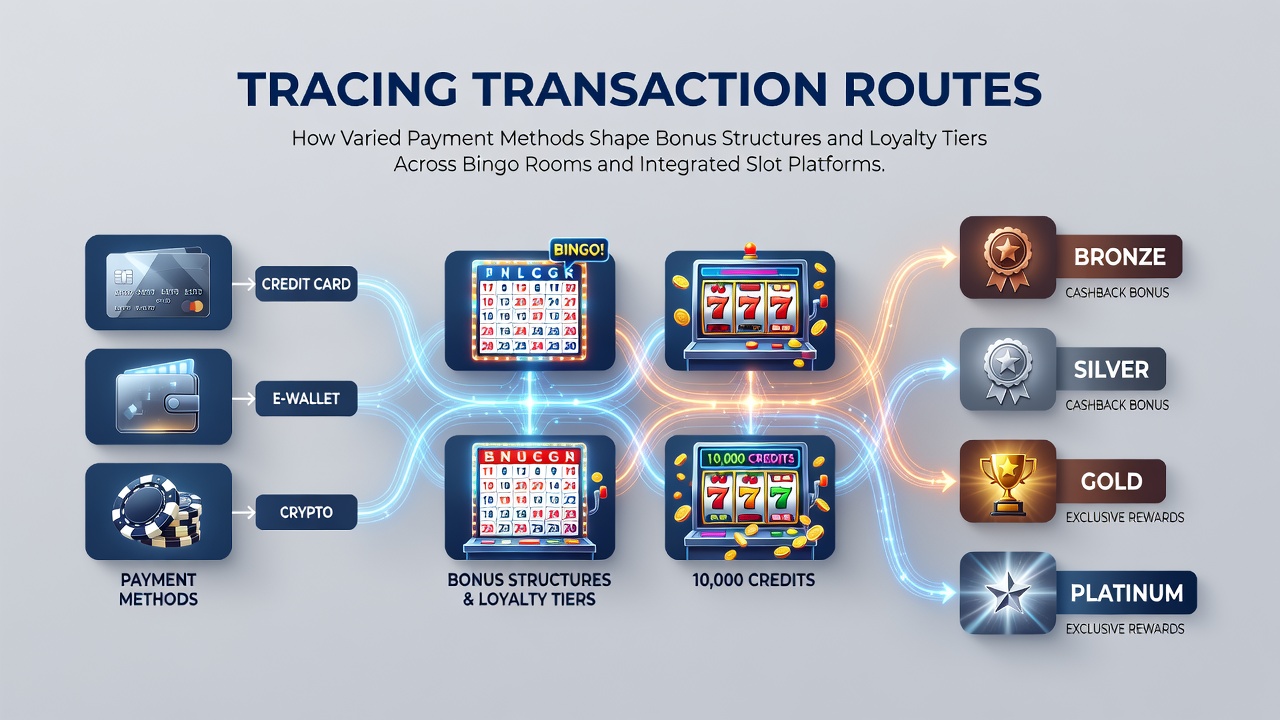
Payment methods move through online bingo rooms and integrated slot platforms in ways that directly determine which bonuses appear and how quickly players climb loyalty tiers, with credit cards often triggering standard deposit matches while e-wallets and bank transfers unlock accelerated point accumulation in many systems. Operators track these routes because processing costs and settlement speeds vary, which leads platforms to adjust wagering requirements and reward multipliers accordingly across different deposit types.
Core Mechanics Linking Deposits to Incentives
Each payment channel carries distinct fees and verification timelines that operators factor into bonus formulas, so credit card deposits might receive a 100 percent match up to a set limit whereas certain digital wallets earn an extra 20 percent on the same amount because they reduce transaction overhead. Loyalty programs assign points based on deposit volume and method speed, which means users who favor instant bank transfers accumulate tier credits faster than those relying on traditional cards that require additional approval steps. Data from industry reports shows these adjustments keep platforms profitable while encouraging higher engagement through tailored incentives.
Regional Regulatory Influences on Structure
Authorities in multiple jurisdictions set rules that shape how payment options translate into player rewards, with the Australian Communications and Media Authority overseeing requirements that affect bonus transparency and the European Gaming and Betting Association publishing guidelines on fair wagering terms tied to deposit sources. In Canada, provincial frameworks influence how loyalty points convert across bingo and slot environments when players switch between payment routes. These standards create consistency so operators align their bonus structures with local expectations rather than applying uniform global models.
June 2026 projections indicate continued growth in real-time payment adoption, which analysts expect will further refine tier advancement rates as settlement times shrink and platforms recalibrate reward multipliers for faster methods. What's interesting here is how these shifts already appear in current operator dashboards where e-wallet users reach silver or gold levels weeks ahead of card-only depositors.
Examples Across Platform Types
Take one integrated site that offers bingo rooms alongside slot lobbies where bank transfer deposits earn double loyalty points during promotional windows while cryptocurrency options carry higher minimums but deliver reduced wagering on resulting bonuses. Another network ties mobile wallet usage to exclusive free spin bundles in slots that also count toward bingo progression, creating cross-game loyalty pathways. Observers note that such configurations encourage players to diversify their transaction routes rather than sticking to a single method.
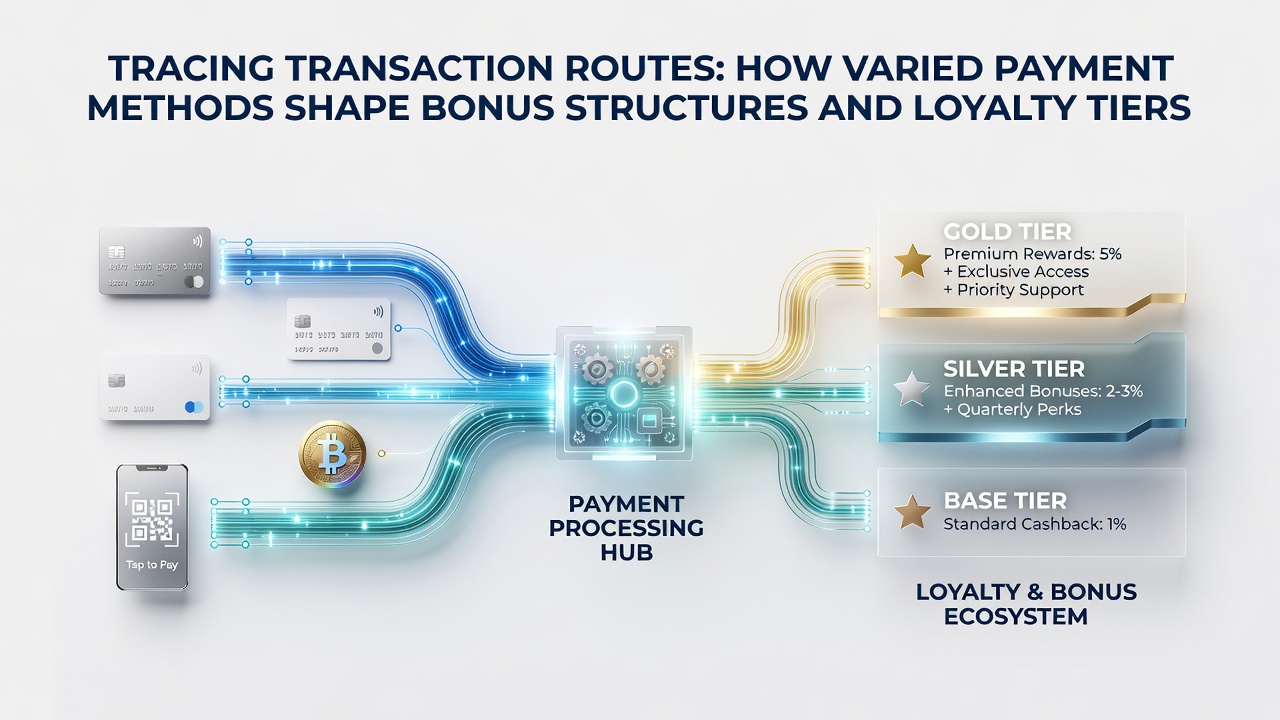
Studies from research institutions reveal that platforms using multiple payment integrations see higher retention when loyalty algorithms reward speed and lower fees, which explains why many sites now publish clear tables mapping each method to its corresponding bonus percentage and point rate. This transparency helps users plan deposits strategically without hidden adjustments.
Technical Tracking and Adjustment Processes
Backend systems monitor transaction routes through unique identifiers that link each deposit to specific bonus codes and tier calculations, allowing operators to apply dynamic rules such as lowering playthrough requirements for prepaid card users who typically show steadier activity patterns. Integrated platforms combine bingo and slot data streams so a single loyalty profile reflects contributions from both environments regardless of the payment source. Researchers at various academic centers have documented these processes in reports that highlight efficiency gains from unified tracking.
Yet the reality remains that not every method receives equal treatment because risk profiles differ, with some digital currencies facing stricter verification that delays bonus activation compared to established bank options. Platforms respond by offering tiered support levels that guide users toward methods aligning with their preferred reward pace.
Conclusion
Payment pathways continue to serve as foundational elements that operators adjust to maintain balanced bonus structures and loyalty progression across bingo rooms and slot platforms, with regulatory frameworks and technical systems ensuring these connections stay transparent and adaptable. As settlement technologies evolve, the links between deposit choices and reward outcomes will likely grow more precise while remaining grounded in operational data and compliance requirements.