Payment Pathways Shaping Progressive Rewards in Mobile Gaming Platforms
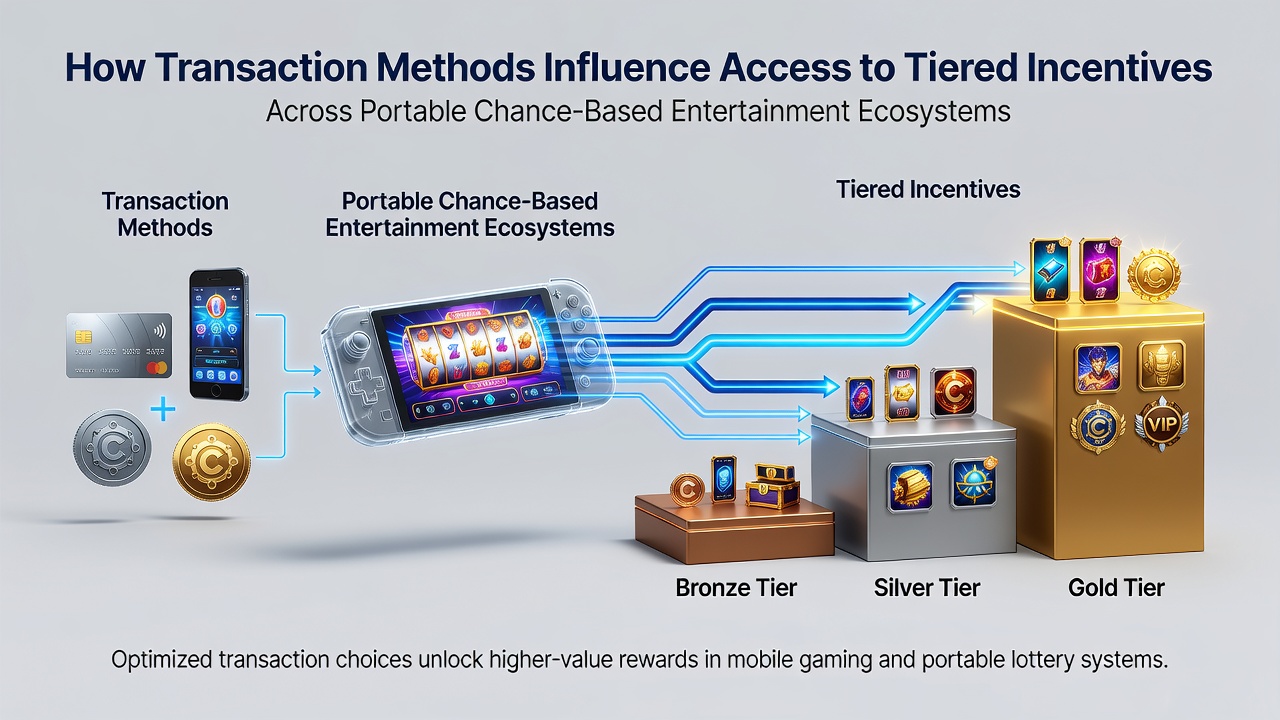
Transaction methods in portable chance-based entertainment ecosystems determine how players move through incentive tiers because deposit speed, verification requirements, and fee structures directly affect eligibility for progressive rewards. Platforms track transaction volume and frequency to assign VIP levels, yet the choice between credit cards, e-wallets, bank transfers, and digital currencies alters the pace at which users accumulate qualifying activity. Researchers at multiple institutions have documented these patterns across regions where mobile gaming operates under regulated frameworks.
Core Transaction Categories and Their Operational Traits
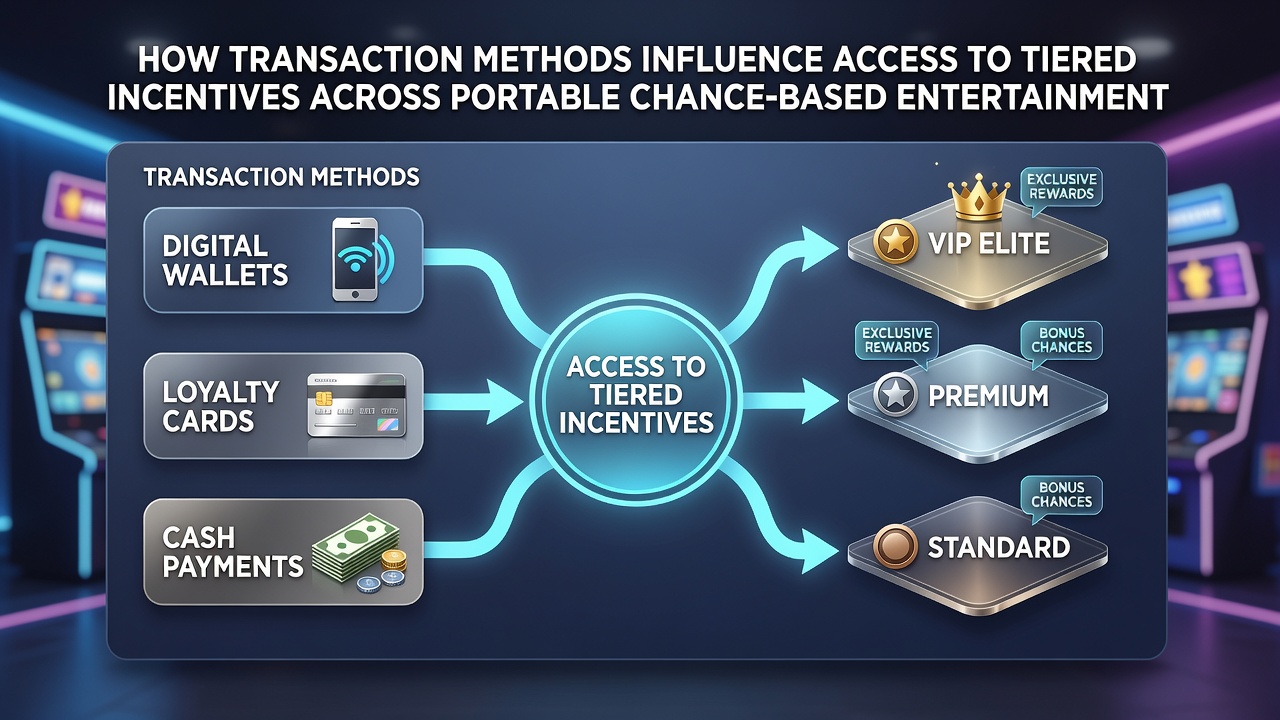
Credit and debit card payments remain the most widely accepted method while they deliver immediate processing and straightforward record-keeping that platforms use to verify spending thresholds for tier advancement. E-wallets such as those offered by established digital finance providers reduce transaction times further and often bypass certain banking restrictions, allowing users to complete deposits during promotional windows that close quickly. Bank transfers, although slower, provide higher single-transaction limits that help high-volume participants reach upper incentive brackets in fewer steps. Cryptocurrency options have expanded since 2024, and their blockchain confirmation speeds vary by network, which influences whether a deposit registers before a time-sensitive reward cycle ends.
How Deposit Characteristics Affect Tier Qualification
Many mobile platforms calculate tier progress using a combination of deposit totals and wagering activity, so payment methods that carry lower fees or faster clearance directly increase the net amount applied toward qualification. Observers note that players using instant e-wallet options frequently cross into mid-tier status within the same calendar month, whereas those relying on traditional bank wires may require additional weeks for the same cumulative figure to post. Data from industry monitoring services shows that verification speed also plays a role, because some methods trigger automated identity checks that delay reward credit until documentation clears.
July 2026 figures released by European regulatory bodies indicate continued growth in instant-payment adoption, with platforms reporting that over sixty percent of new VIP enrollments originated from e-wallet or cryptocurrency deposits processed within minutes. These shorter processing windows allow users to meet monthly activity requirements before reset periods occur, thereby preserving streak bonuses and loyalty multipliers that compound across tiers.
Regional Regulatory Contexts and Payment Acceptance
Regulators in different jurisdictions impose distinct rules on acceptable transaction types, and these rules shape which payment routes remain viable for reaching higher incentive levels. Australian oversight agencies, for example, require clear disclosure of processing times and fees, which has prompted several major platforms to prioritize methods that display real-time confirmation. Canadian provincial frameworks emphasize consumer protection measures that include spending caps tied to verified deposit sources, creating additional documentation layers for certain card issuers. Industry reports compiled by the Interactive Gaming Council highlight that platforms operating across multiple markets often maintain separate tier ladders calibrated to local payment norms.
Case Examples from Platform Data
One operator that published anonymized user statistics for 2025 revealed that participants who combined e-wallet deposits with recurring weekly transfers advanced an average of 1.8 tiers faster than those using only card-based single deposits. Another analysis conducted by academic researchers at a North American university examined transaction logs from several licensed apps and found that cryptocurrency users encountered fewer fee deductions, leaving larger portions of each deposit available for wagering requirements attached to incentive tiers. These differences compound when platforms apply multipliers to net deposits from preferred methods, creating measurable gaps in reward accumulation rates.
Platform operators adjust their internal algorithms regularly, and updates in early 2026 incorporated real-time fee estimation tools that display the effective deposit amount after charges, allowing users to select methods that maximize qualifying spend. Such tools have reduced instances where unexpected deductions prevented users from hitting tier thresholds by the end of promotional periods.
Conclusion
Transaction method selection continues to function as a primary variable in determining access speed and consistency within tiered incentive systems across portable chance-based entertainment platforms. Payment speed, fee impact, verification requirements, and regulatory alignment each contribute measurable effects on how quickly users progress through reward levels. As of July 2026, available platform data and regulatory summaries confirm that these influences remain consistent across markets while evolving alongside new digital finance options. Stakeholders tracking these ecosystems can reference ongoing reports from bodies such as the European Gaming Association and the Interactive Gaming Council for updated metrics on transaction patterns and tier movement.