Payment Systems Linking Everyday Play to Loyalty Accumulation in Bingo Halls and Slot Facilities
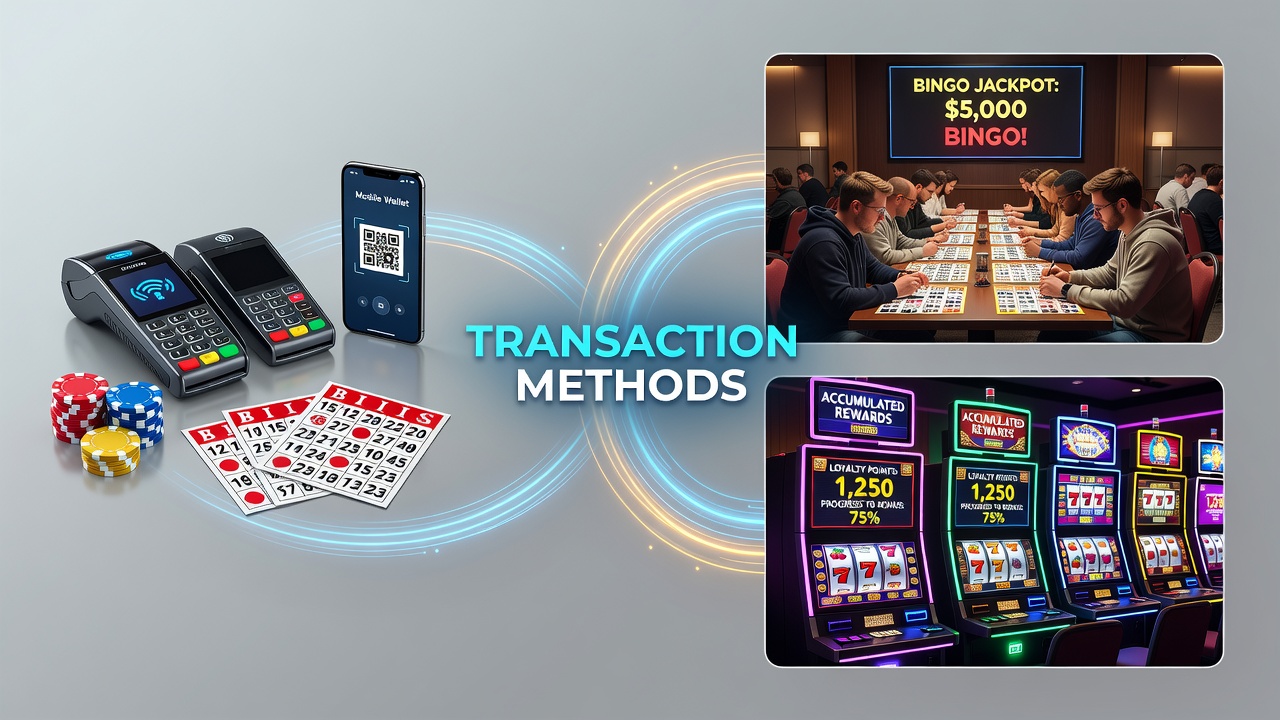
Transaction methods in bingo venues and slot machine facilities serve as the direct bridge between individual play sessions and the buildup of loyalty rewards, with cash, cards, and digital transfers each feeding into point systems at different rates. Observers note that these connections operate through integrated player tracking software, where every deposit or wager registers automatically toward tiered benefits such as free play credits, meal comps, and exclusive event access.
Core Transaction Types at Physical Venues
Bingo halls typically accept cash at the counter for session cards or electronic daubers, while many facilities now process debit and credit cards through secure terminals that link instantly to central loyalty databases. Slot floors rely on similar setups, although ticket-in-ticket-out systems and cashless kiosks allow players to load funds from bank accounts or prepaid cards without handling physical currency. Data from industry reports shows that electronic transfers accounted for over 60 percent of total play volume in monitored North American properties during the first half of 2026.
Payment processors integrate with property management systems so that each transaction carries a unique identifier tied to a player's loyalty card. This setup means a single swipe or tap can simultaneously deduct from a balance and credit points based on wager amount and game type. Researchers at the University of Nevada, Las Vegas documented how these automated links reduce manual errors while increasing the speed at which rewards accrue across multiple visits.
Reward Mechanisms Driven by Payment Activity
Most loyalty programs calculate points using a multiplier applied to the total funds processed through a player's account during a defined period. Bingo sessions often award points per card purchased or per game completed, whereas slot machines track coin-in or theoretical loss to determine the same metric. The resulting point totals determine eligibility for monthly drawings, hotel stays, and personalized offers distributed through the venue's mobile app or mailers.
Integration of Digital Wallets and Mobile Payments
Mobile wallets entered widespread use in bingo and slot environments after 2024, allowing players to fund sessions directly from linked bank accounts or stored value. Venues that adopted these options reported higher repeat visit rates because the seamless transfer process encouraged smaller, more frequent transactions that still accumulated toward the same reward tiers. A report issued by the American Gaming Association in July 2026 highlighted that properties offering mobile funding saw a 22 percent rise in active loyalty memberships compared with cash-only locations.
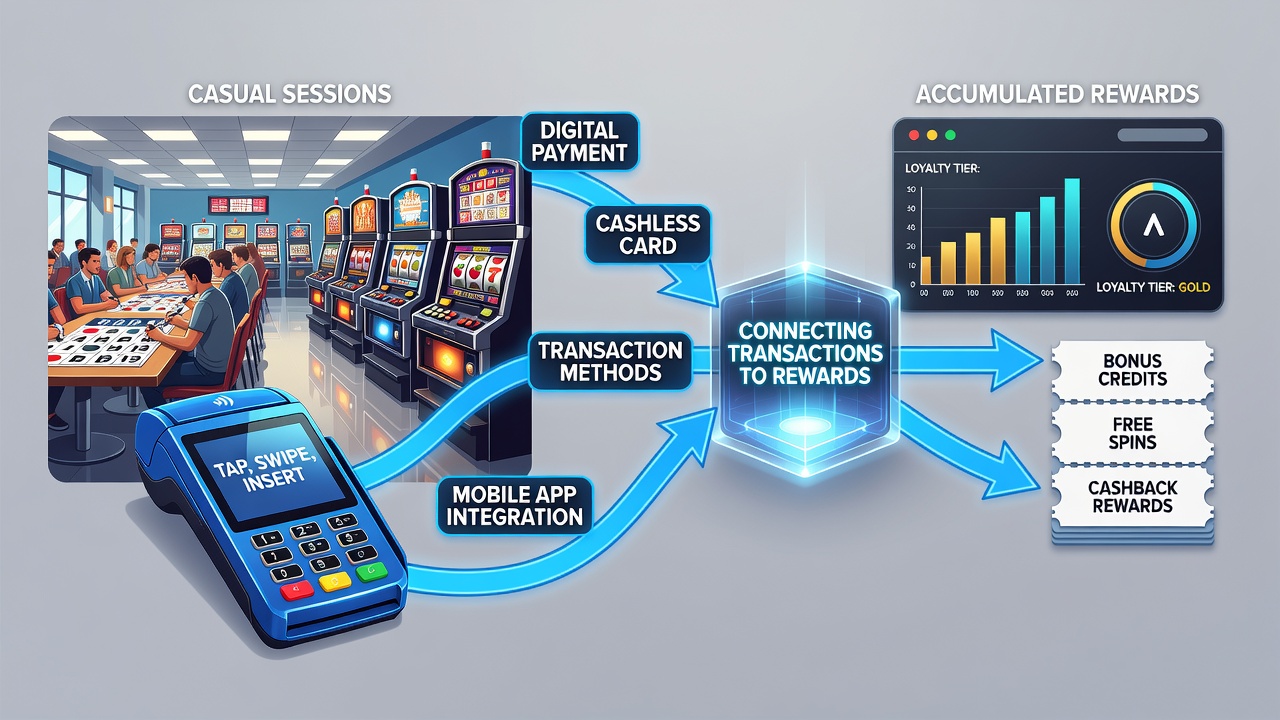
Those who study player behavior observe that the visibility of real-time point updates on venue screens or personal devices reinforces continued play. When a transaction posts, the system displays both the remaining balance and the incremental reward progress, creating a feedback loop that connects each session to longer-term benefits without requiring separate tracking by the player.
Regional Variations in Transaction and Reward Linkages
Facilities in different jurisdictions apply distinct rules to how transactions convert into rewards. Australian venues, for instance, must comply with strict cashless gaming mandates that route all activity through centralized monitoring platforms, which in turn feed state-approved loyalty schemes. Canadian properties often combine on-site kiosks with regional player cards that allow points earned at one location to transfer across multiple operators within the same province.
European markets emphasize responsible gaming overlays that cap daily transaction volumes while still permitting points to accumulate toward non-monetary rewards such as merchandise or event tickets. These differences illustrate how local regulations shape the technical pathways yet leave the fundamental connection between payment activity and reward eligibility intact.
Technical Infrastructure Supporting the Connection
Backend servers at most mid-sized and large venues run specialized software that reconciles every payment processor feed with the loyalty database every few seconds. Slot machines transmit meter readings that include coin-in totals, while bingo systems log each card sale or electronic entry. When discrepancies arise, automated alerts notify staff so that player accounts remain accurate and rewards continue to post without interruption.
Security protocols encrypt transaction data at the point of entry and during transmission, satisfying requirements set by both gaming control boards and financial regulators. This infrastructure ensures that the link between casual sessions and accumulated rewards remains reliable even during peak hours when thousands of simultaneous transactions occur.
Conclusion
Transaction methods function as the operational backbone that converts individual play into measurable loyalty progress across bingo venues and slot facilities. Whether through traditional cash handling, card processing, or emerging mobile solutions, each payment registers directly into systems that calculate and distribute rewards based on established formulas. Reports from multiple regulatory regions confirm that these automated connections have become standard practice, supporting both player engagement and venue operational efficiency without requiring manual intervention.