Promotional Cycles Reshaping Jackpot Access in Mobile Bingo and Slots
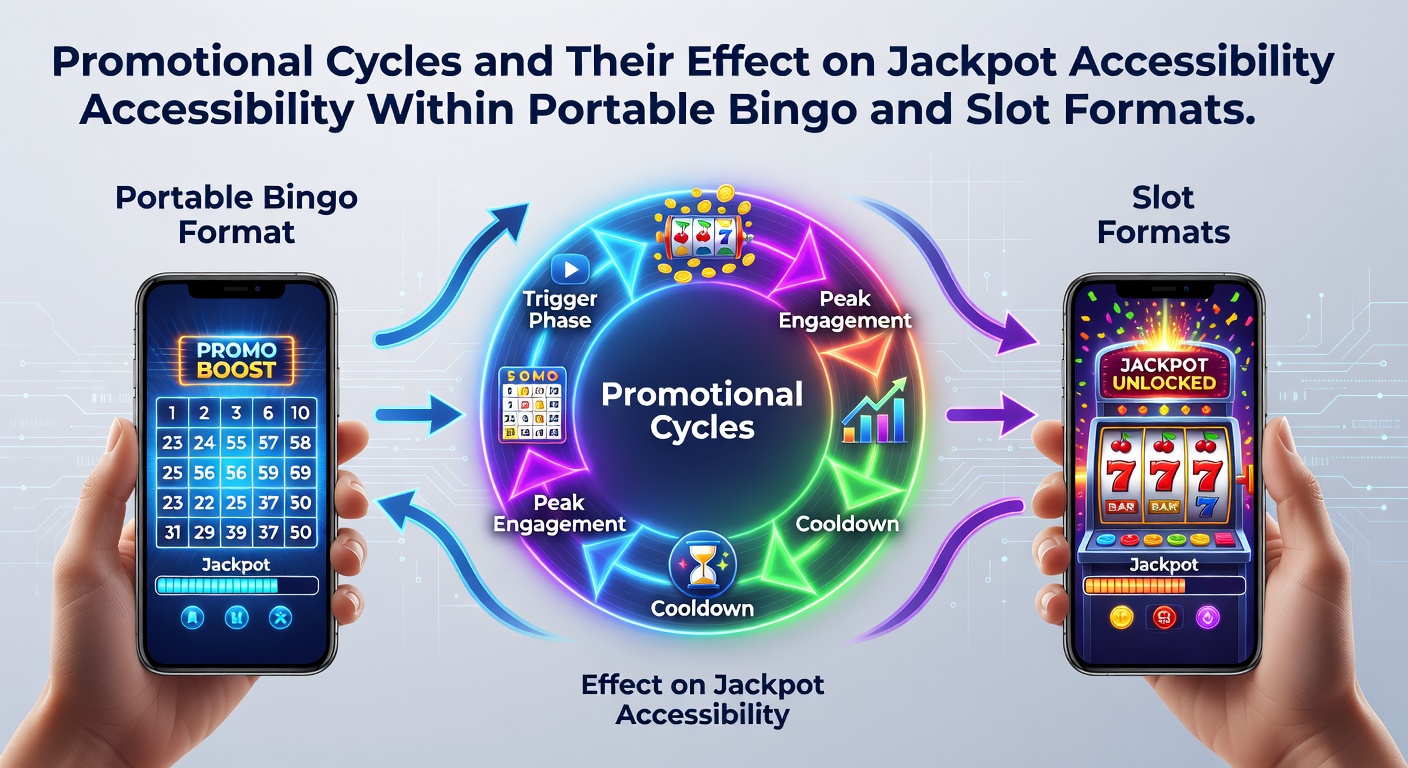
Promotional cycles operate as structured sequences of bonuses, deposit matches, and free spin allocations that recur across mobile bingo and slot platforms on predictable schedules. These patterns emerge from operator strategies designed to maintain user engagement while channeling activity toward jackpot pools. Data from industry tracking services shows that cycle lengths typically span seven to thirty days, with peak intensity occurring during weekend alignments and month-end resets.
Mechanics Behind Cycle Structures
Operators segment promotional activity into phases that include accumulation periods, activation windows, and cooldown intervals. During accumulation phases users complete wagering requirements that feed directly into shared jackpot meters. Activation windows then release boosted contributions where a single spin or bingo card purchase can multiply the percentage directed to progressive pools. Cooldown intervals follow to stabilize system loads before the next rotation begins. Researchers at academic institutions have documented how these phases create measurable spikes in jackpot contribution rates, often reaching 15 to 25 percent above baseline figures during active windows.
Effects Observed in Portable Bingo Formats
Mobile bingo rooms integrate promotional cycles through room rushes and loyalty ladders that tie ticket purchases to jackpot eligibility. When a cycle activates, players receive additional cards or reduced buy-in thresholds that increase participation volume. This volume directly scales the frequency of jackpot draws and the size of seed amounts allocated from operator reserves. Figures released by the Australian Communications and Media Authority reveal that bingo jackpot accessibility rises proportionally with cycle-driven ticket sales, producing more frequent payouts in the mid-tier ranges while larger progressive prizes accumulate faster during high-traffic phases.
Slot Platform Responses to the Same Cycles
Slot applications channel promotional energy through free spin bundles and deposit-triggered multipliers that funnel wagers into linked progressive networks. Cycle timing influences which games receive featured status, thereby directing player traffic toward titles with visible jackpot counters. Evidence compiled by the American Gaming Association indicates that mobile slot jackpots experience accelerated growth rates when promotional multipliers coincide with weekend cycle peaks, with contribution percentages climbing as players extend sessions to clear bonus conditions.
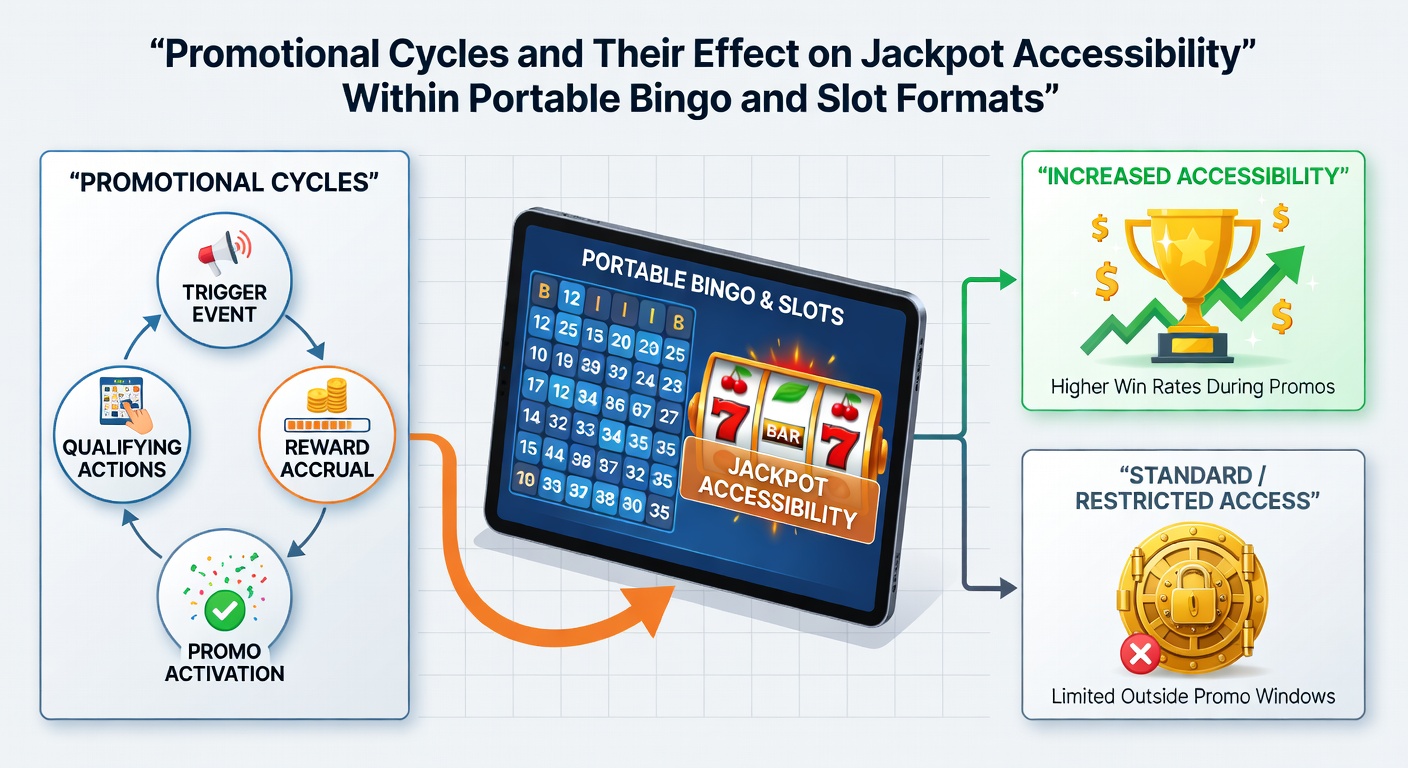
Hybrid bingo-slot platforms combine both formats under unified loyalty systems where points earned in one environment transfer to the other. This integration allows a single promotional cycle to influence jackpot pools across multiple game types simultaneously. Observers note that users often migrate between bingo rooms and slot lobbies within the same app session when cycle incentives align, creating cross-format traffic patterns that operators monitor to balance pool funding.
Regulatory Context and Upcoming Developments
Jurisdictions continue to refine disclosure rules around promotional mechanics and their relationship to jackpot funding. In May 2026 several Canadian provinces plan to implement updated reporting requirements that will mandate clearer separation between promotional contribution rates and base game mathematics. These changes aim to provide users with transparent data on how cycle participation affects overall jackpot accessibility without altering the underlying random number generation systems.
Conclusion
Promotional cycles function as recurring mechanisms that modulate both the volume and timing of contributions to jackpot systems in portable bingo and slot environments. Their structured phases create predictable windows of heightened accessibility while cooldown periods allow system recalibration. Continued monitoring by regulatory bodies and industry groups will shape how these cycles evolve in response to new transparency standards scheduled for 2026.