Transaction Preferences Shaping Loyalty Advancement in Handheld Bingo and Slot Gaming
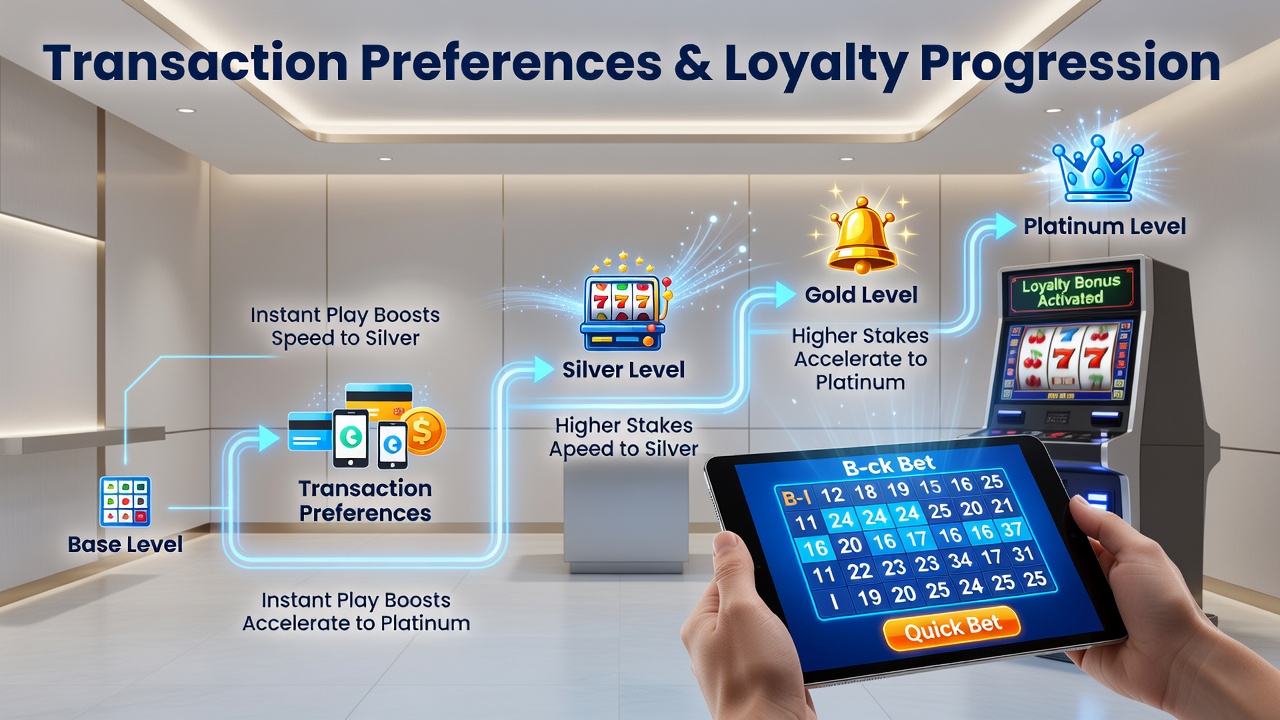
Transaction preferences play a direct role in how players move through loyalty tiers across handheld bingo platforms and reel gaming applications, since deposit speed, payment type, and withdrawal patterns often determine reward accumulation rates. Operators track these behaviors through integrated systems that assign points based on transaction volume and frequency, which then unlock higher status levels with enhanced benefits.
Core Mechanics of Loyalty Progression
Handheld bingo and reel gaming environments rely on tiered structures where initial levels require modest activity while advanced tiers demand consistent deposits paired with sustained play. Payment method selection influences this pathway because certain options process faster and integrate directly with bonus multipliers, whereas others may carry delays that slow point accrual. Data from industry monitoring services shows that players using instant digital wallets often reach mid-tier status 30 percent quicker than those relying on traditional bank transfers during the same observation periods.
Payment Categories and Their Measured Effects
Digital wallets, prepaid cards, and direct bank integrations each carry distinct processing characteristics that operators log within loyalty algorithms. Instant wallets frequently trigger immediate point awards upon deposit confirmation, which accelerates movement toward the next tier threshold, while credit card transactions sometimes include verification steps that postpone reward allocation by several hours. Research conducted by the Canadian Gaming Association indicates that mobile-first payment adoption rose notably in 2025, correlating with higher retention rates among players who maintained steady transaction flows through preferred methods.
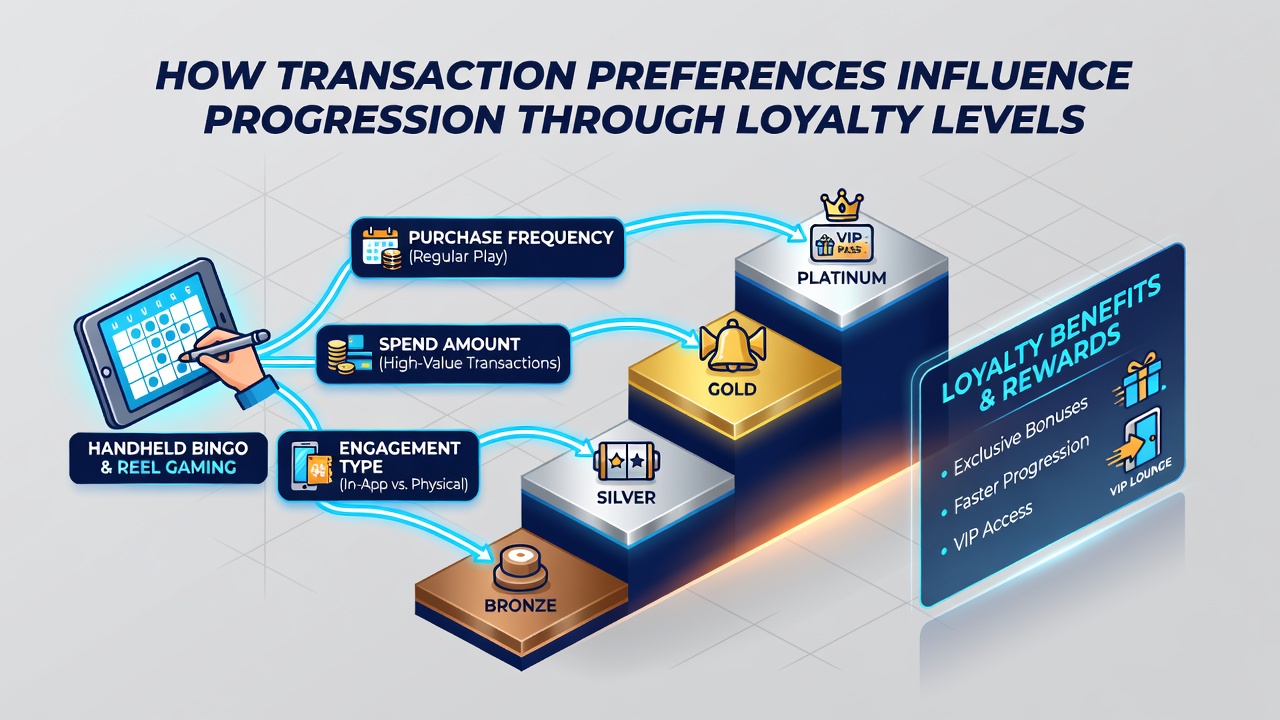
Reel gaming spaces in particular register transaction size as a weighted factor, so larger deposits made through verified channels contribute more substantially to tier progression than fragmented smaller transfers. Bingo applications tend to emphasize frequency, rewarding repeated modest deposits that keep accounts active and points flowing steadily. Observers note that July 2026 regulatory updates in several jurisdictions introduced clearer disclosure requirements around payment processing times, prompting operators to adjust loyalty interfaces for greater transparency.
Regional Variations in Transaction Influence
European markets demonstrate stronger integration between e-wallet usage and loyalty advancement compared with some North American regions, according to figures released by the European Gaming and Betting Association. Australian operators, meanwhile, have documented that players favoring cryptocurrency deposits experience accelerated tier climbs when platforms apply favorable exchange rate bonuses during conversion. These patterns emerge because transaction preferences align with platform incentives that reward speed and volume simultaneously.
One study from the University of Nevada's gaming research division revealed that withdrawal patterns also affect perceived progression, since players who cash out frequently through slower methods sometimes pause deposit activity, thereby extending the time spent at a given loyalty level. Handheld environments amplify these dynamics because session data syncs in real time across devices, allowing operators to adjust tier thresholds dynamically based on aggregate transaction behaviors.
Operational Adjustments by Platform Providers
Platform providers respond to transaction preference data by recalibrating reward schedules, offering tier-specific multipliers for deposits made through approved channels during promotional windows. This approach ensures that loyalty systems remain responsive to actual user behavior rather than static rules. Evidence from aggregated operator reports shows that such adjustments increased tier advancement rates among active handheld users by measurable margins in the first half of 2026.
Those who've examined loyalty program structures across multiple applications find that communication of payment-linked benefits occurs through in-app notifications timed to coincide with deposit events, which helps maintain momentum through the tiers. Reel gaming titles often embed loyalty meters directly into the interface, displaying real-time updates tied to each completed transaction regardless of method.
Conclusion
Transaction preferences continue to serve as measurable drivers of loyalty progression in handheld bingo and reel gaming spaces, with payment speed, method reliability, and deposit frequency shaping how quickly users advance through established tiers. Regulatory developments scheduled around July 2026 are expected to standardize certain disclosure practices, which may further clarify these relationships for both operators and participants. Ongoing data collection by regional associations and academic institutions will likely refine understanding of these interactions as mobile gaming ecosystems evolve.